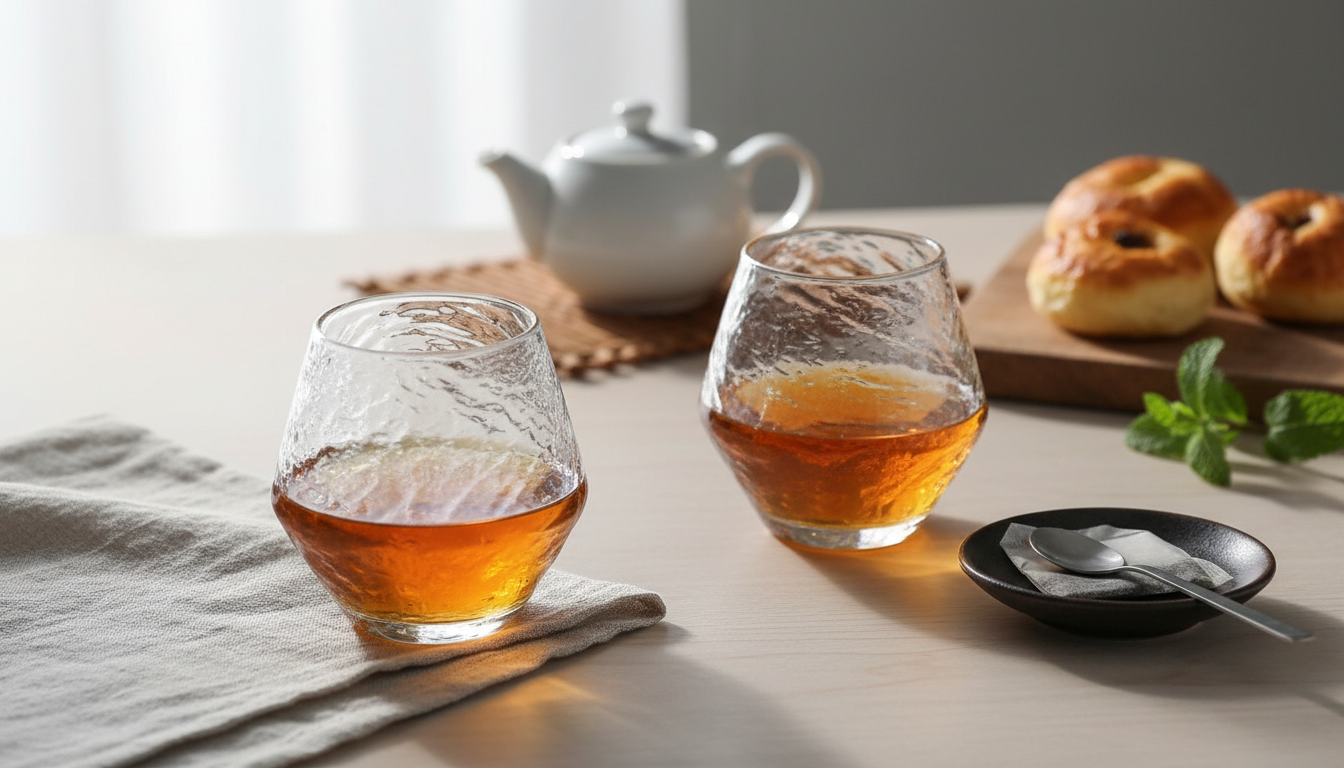
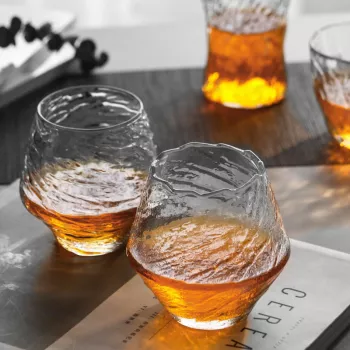
A ripple-textured glass mug brings a calm, tactile feel to daily coffee and tea moments while showing off color, crema, and layered drinks. The clear body turns simple beverages into something visually satisfying—especially when sunlight or warm kitchen lighting hits the ripples. Below is what makes this design feel different in the hand, how it performs with hot and cold drinks, and the care habits that keep glass looking crisp and clean over time. For more guidance, see [PDF] Recycling 101 – Missouri State University.
The ripple pattern isn’t only decorative. It changes how the mug feels, how it catches light, and how your drink looks from the first pour to the last sip. For further reading, see Recycling Opportunities – Jefferson City.
If your usual mug collection is mostly opaque, adding one ripple glass piece can make even weekday drinks feel more intentional without changing your routine.
This style shines when the drink has color, layers, or garnish—anything you’d normally lose behind ceramic.
For a simple upgrade, use the same recipe you already make—then pour slowly and let the layers settle naturally in the glass.
Glass is popular in kitchens for a reason: it’s non-porous and typically stays neutral in flavor. According to the British Glass industry guidance, glass is chemically inert and well-suited for food and beverage contact, which helps explain why it’s so commonly used for everything from cups to storage.
For general best practices around food-contact surfaces and keeping beverageware clean, the FDA Food Code is a useful reference point for safe, sanitary handling in kitchens.
Choose based on how much heat retention, visibility, and weight feel most comfortable for daily use. Glass excels for aroma clarity and presentation, while ceramic often wins on heat retention for slow sipping.
| Material | Look & visibility | Heat feel in hand | Flavor carryover | Best for |
|---|---|---|---|---|
| Ripple glass | High visibility; highlights layers | Can feel warm/hot sooner | Low; easy to keep neutral | Tea, pour-over, iced drinks, layered beverages |
| Ceramic/stoneware | Opaque; classic styles | Often comfortable; retains heat longer | Low to moderate depending on glaze | Everyday coffee, long sips, cozy drinks |
| Stainless steel | Low visibility; utilitarian | Usually stays cooler outside (insulated types) | Very low | Travel, outdoor use, durability priority |
| Plastic | Varies; often opaque | Comfortable but can warp with high heat | Moderate; can retain odors | Casual use, lightweight needs |
A ripple surface looks best when it stays clear. The key is preventing film buildup, especially from coffee oils and tea tannins.
Yes, it can be used for hot beverages. Pre-warm the mug briefly with hot water, avoid sudden temperature swings, and use a coaster if heat transfer to the table is noticeable.
Hand-wash with a soft sponge, rinse soon after use, and avoid abrasive scrubbers that can dull clarity. For haze or stains, soak in warm water with a small amount of baking soda and rinse well.
Glass is non-porous and typically retains fewer odors or lingering flavors than many other materials. With regular cleaning, coffee and tea tend to taste clean and true to the brew.









Leave a comment