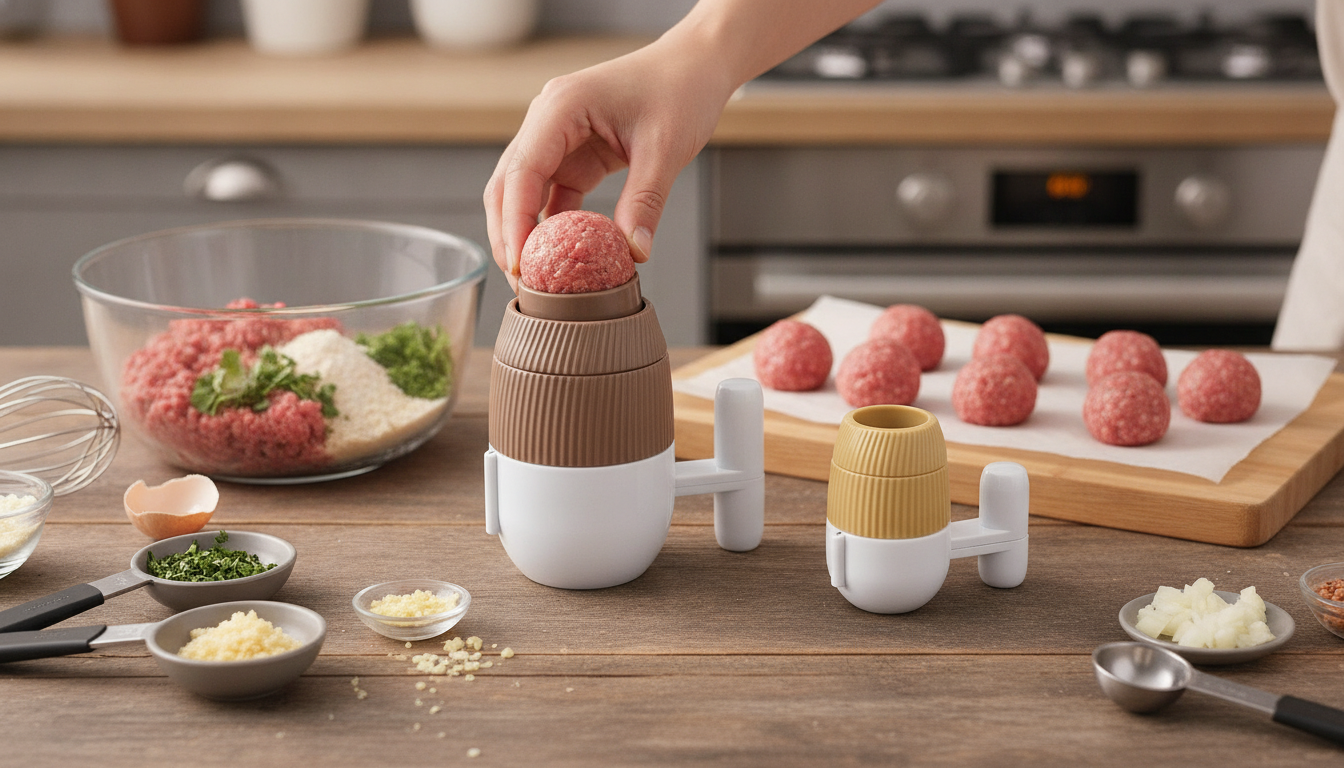
Shaping meatballs by hand can be slow and messy, and uneven sizes cook inconsistently. A round meatball maker spoon helps portion and form uniform balls quickly, keeping prep cleaner and making results more predictable for frying, baking, simmering, or air-frying. If weeknight dinners, party trays, or meal prep are part of the routine, consistent sizing is the small detail that keeps timing (and texture) under control.
- Forms round portions with consistent size so meatballs cook at the same rate, reducing “some dry, some underdone” batches.
- Speeds up batch prep for family dinners, freezer meal prep, and appetizer platters.
- Reduces sticky hands and excess handling, which can help keep meatballs tender instead of compacted.
- Works beyond meat: fish cakes, veggie balls, falafel-style mixtures, rice balls, and even cookie dough portions (depending on firmness).
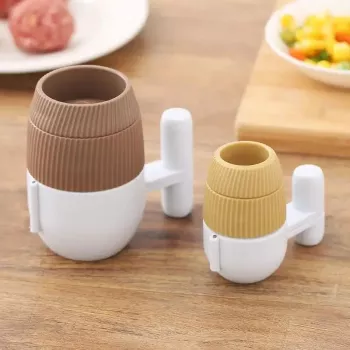
If you want the easiest path to repeatable results, start with a dedicated Round Meatball Maker Spoon and build your workflow around uniform portioning from the first scoop.
Highlights to Look For in Daily Use
- Comfortable grip and easy release: Portions should drop cleanly onto a tray or directly into a pan without prying.
- Round-bowl geometry: A bowl shape that encourages a sphere rather than an oval scoop cuts down on extra reshaping.
- Quick-rinse surface: Breadcrumbs, egg, and grated cheese can get sticky fast; smooth surfaces save time at the sink.
- Durable construction: Repeated squeezing/scooping during larger batches shouldn’t flex or loosen.
- Fits your cooking style: Sheet-pan baking, skillet browning, simmering in soup, or finishing in a slow cooker all benefit from consistency.
How to Use It for Even Meatballs (Step-by-Step)
- Chill the mixture: If it feels soft or oily, refrigerate 10–20 minutes. Colder mixtures portion and release more cleanly.
- Prevent sticking: Lightly oil the spoon or dip it in water every few scoops. Pick one method and stay consistent so the mixture behaves predictably.
- Scoop a level portion: Aim for the same fill each time. Leveling matters as much as the shaping action.
- Form the round: Use the spoon’s shaping motion to compress just enough to hold together until it rounds out.
- Release onto a tray: Drop onto parchment or a lightly oiled sheet; keep spacing so the balls don’t touch.
- Cook with intention: Bake for hands-off volume, pan-sear for deeper browning, or simmer gently in sauce after the exterior sets.
- Keep batch sizes consistent: Avoid mixing small and large pieces on the same tray so doneness timing stays accurate.
Consistency Tips for Better Texture and Shape
- Avoid overmixing: Combine until ingredients are evenly distributed, then stop. Overworking can make meatballs tough and springy.
- Balance binders: Enough egg/breadcrumbs to hold shape, not so much that the result turns dense and bready.
- If the mixture cracks: Add a small amount of moisture (milk/water) or another egg yolk, then re-chill.
- If it smears or won’t release: Chill longer and keep the spoon lightly damp or oiled.
- If meatballs flatten in the pan: Start on a properly preheated surface and don’t move them until a crust forms.
Meatball Forming Methods Compared
Choose a forming method based on speed, mess, portion consistency, and how many batches you make at once. Tools that portion consistently also make it easier to plan cook times and serving counts—especially when you’re juggling sides, sauces, and timing.
Comparison of common meatball-forming options
| Method |
Portion consistency |
Speed for batches |
Mess/stickiness |
Best for |
| Round meatball maker spoon |
High |
Fast |
Low to medium |
Weeknight batches, party prep, uniform cooking |
| Hand-rolling |
Medium (varies by person) |
Slow to medium |
High |
Small batches, custom shapes |
| Two-spoon quenelle/scoop |
Medium |
Medium |
Medium |
Soft mixtures, rustic shapes |
| Standard cookie scoop |
High for portioning, medium for roundness |
Fast |
Low to medium |
Portion control; may need rolling to perfect round |
Cleaning, Care, and Food-Safety Basics
- Rinse promptly: Proteins and starches set as they dry; a quick rinse prevents stubborn residue.
- Wash thoroughly: Use warm soapy water and a soft brush for seams or edges where mixture can lodge.
- Dry completely: Thorough drying helps prevent odor buildup in storage.
- Prevent cross-contamination: Keep raw-meat tools separate from ready-to-eat foods and sanitize prep surfaces after mixing.
- Confirm doneness: Use a thermometer for ground meats; reference the USDA FSIS Safe Minimum Internal Temperatures chart and follow core practices from FoodSafety.gov’s Clean, Separate, Cook, Chill.
Meal Ideas That Benefit from Uniform Portions
When This Tool Makes the Biggest Difference
Related Kitchen Picks for Serving and Finishing
FAQ
Can a round meatball maker spoon be used for turkey or chicken meatballs?
Yes. Because leaner mixtures can be softer, chill the mix first and keep the spoon lightly damp or oiled so portions release cleanly and hold their shape during cooking.
How do meatballs stop sticking to the spoon?
Chill the mixture and either dip the spoon in cold water or lightly oil it every few scoops. Also avoid overworking the mixture; stickiness often improves with a longer chill.
Do evenly sized meatballs cook better?
Yes. Uniform size improves timing and doneness consistency, lowering the chance that smaller meatballs overcook while larger ones stay underdone.
Recommended for you










Leave a comment